
 EN
EN
Structured Drawer Storage Outperforms Unregulated Open Shelving For Long-Term Wardrobe Order
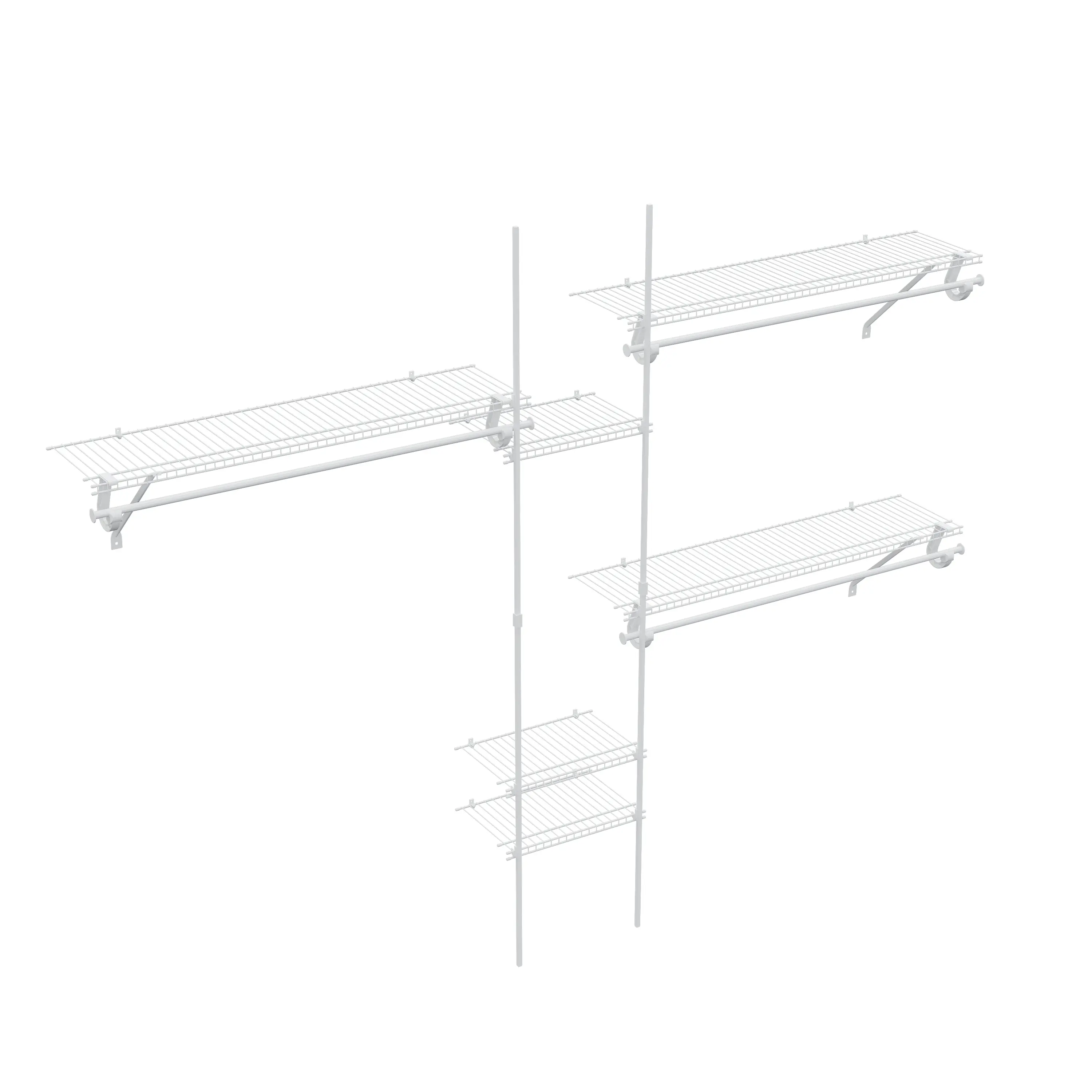
Professional wardrobe organizers with over a decade of on-site residential project experience consistently rank segmented drawer cabinet systems as the most reliable framework for sustained clothing organization, outperforming basic open flat shelving by a significant margin. A 2024 industry survey of certified closet design specialists found that households relying solely on open shelving require weekly full wardrobe re-tidying sessions, while homes with properly configured drawer storage maintain consistent neatness for months without intensive reorganization work. Open shelving lacks fixed physical boundaries for folded apparel, so minor daily movement shifts stacked clothing out of alignment, creating disorganized piles that expand rapidly over time.
Drawer compartments create rigid defined storage boundaries that limit garment shifting, establishing stable long-term containment for every wardrobe category. Expert closet design methodology recommends splitting drawer storage into three core functional zones based on weekly wear frequency: daily essential apparel, occasional casual wear and seasonal long-term storage. Mid-height drawer banks within the closet’s natural Golden Access Zone hold everyday intimates, loungewear and small accessories for instant access during morning dressing routines. Upper mid-sized drawers store weekend casual tees and lightweight knitwear worn several times monthly, while deep base drawer compartments reserve space for bulky cold-weather apparel only utilized two to three months per year. This frequency-based zoning builds a logical, intuitive daily dressing workflow that eliminates random searching for individual garments.
Stepwise Wardrobe Sorting Protocols Optimized For Drawer Compartment Layouts
Field-tested multi-stage sorting workflows maximize the organizational potential of multi-depth drawer systems, with each step designed to reduce long-term storage clutter and protect fabric quality. The first sorting phase involves full wardrobe inventory auditing to separate unwearable, outdated and ill-fitting apparel, removing excess unused items that consume unnecessary drawer capacity and create avoidable crowding. The second stage groups remaining garments by fabric weight and textile sensitivity, separating delicate silk, cashmere and linen pieces from thick cotton, canvas and denim fabrics. Soft fabric-lined shallow drawers house fragile premium textiles to prevent abrasive friction that creates snags, pilling and permanent fabric creasing, while heavy-duty deep drawers accommodate rigid thick garments without structural strain on drawer panels.
The third sorting layer leverages specialized drawer accessory inserts to subdivide tiny loose wardrobe items. Molded fabric divider grids create separate slots for socks, undergarments and thin silk scarves; compact hard-shell storage inserts hold small metal jewelry, hair clips and delicate necklaces; flexible roll storage strips neatly contain leather belts and fabric ties to prevent tangling. Every small apparel accessory receives its own fixed dedicated slot within the drawer framework, removing the daily frustration of rummaging through mixed loose small items to locate matching pieces during outfit assembly each morning. This layered sorting system ensures every drawer compartment serves a clear defined wardrobe storage purpose with zero cross-category mixing.
Custom Drawer Sizing Matched To Distinct Garment Types & User Habits
Different wardrobe collections require targeted drawer depth and height configurations to avoid fabric damage and maximize storage density, a customization feature unavailable with uniform retail drawer furniture. Households with extensive knitwear collections benefit from stacked shallow drawer banks built for flat sweater folding, eliminating the permanent shoulder stretching and fabric distortion that occurs with long-term hanging storage. Residents owning large volumes of denim trousers and thick casual pants utilize wide deep drawer compartments for flat stack folding, reducing the total number of hanging rods required inside the closet and freeing vertical hanging space for dresses, blouses and outer coats.
For users with expansive accessory inventories, custom pull-out lateral drawer towers install along closet side walls, fitted with variable small partition grids sized for wristwatches, statement necklaces, structured hats and compact crossbody handbags. Active fitness enthusiasts integrate dedicated ventilated drawer compartments to store moisture-wicking athletic apparel, with breathable panel construction preventing trapped sweat odors that develop when damp sportswear sits sealed inside non-ventilated closed drawer units. Every drawer dimension adjustment responds directly to individual wardrobe composition, creating a fully tailored storage environment that matches unique clothing collection profiles rather than forcing residents to adapt their garments to one-size-fits-all cabinet dimensions.
Modular Internal Drawer Partitioning For Adaptive Long-Term Use
Generic fixed drawer interiors cannot adjust alongside shifting wardrobe sizes and seasonal clothing rotations, requiring full closet rework when apparel collections expand or shrink. Premium custom drawer systems feature fully removable, repositionable internal divider panels that users can rearrange freely to reconfigure compartment sizing at any time of year. During summer months, wider unsegmented drawer spaces hold lightweight linen and cotton warm-weather apparel; when winter arrives, thin divider inserts slide back into place to create narrow slots for cold-weather accessories including gloves, scarves and wool hats.
Certified closet designers map out flexible internal partition layouts during initial consultation, accounting for predicted wardrobe growth as residents purchase new clothing or transition through different life stages. Families with young children add low-height segmented drawer inserts later to store small children’s clothing and fabric toys without disrupting the primary adult wardrobe drawer layout. This fully adjustable internal architecture extends the functional lifespan of the drawer closet system by accommodating permanent shifts in storage requirements without cabinet replacement or major remodeling work. All drawer lining fabrics and plastic divider components utilize low-odor environmentally safe materials that remain soft and shape-stable through years of repeated daily use.
Consistent Manufacturing Standards For Reliable Drawer Storage Components
Every auxiliary drawer storage accessory, from fabric lining sheets to plastic separating grids, follows unified production standards to ensure dimensional compatibility with all custom drawer cabinet frames. In-house fabrication facilities control every stage of drawer frame production, utilizing precision cutting machinery to maintain uniform panel gaps and consistent sliding movement across all drawer units. Heavy-duty ball-bearing slide hardware undergoes automated cycle testing to confirm smooth silent operation under maximum load capacity for decades of regular household use.
Global raw material supply partnerships secure consistent high-grade laminate panels, anti-corrosion metal hardware and soft fabric drawer liners, eliminating inconsistent component quality seen with mixed third-party retail storage accessories. All structural cabinet frames receive full continuous edge sealing to block moisture absorption and surface staining, maintaining a clean uniform exterior finish through years of daily bedroom use.
ShelfCloset Custom Drawer Systems Deliver Fully Tailored Wardrobe Storage Infrastructure
Investing in a professionally designed drawer-integrated closet system creates a permanent high-value household asset that lowers ongoing clothing maintenance requirements year after year. Segmented ventilated drawer containment blocks dust buildup and constant fabric-on-fabric friction, cutting down the frequency of washing, steaming and ironing needed to keep apparel in wearable condition. Custom drawer layout design draws on in-depth wardrobe inventory analysis and daily dressing habit tracking to build compartment sizing perfectly matched to each resident’s clothing collection and bedroom spatial constraints.
ShelfCloset’s in-house engineering teams and cross-continental component supply network enable fully bespoke drawer cabinet fabrication built to fit any closet dimension and wardrobe storage profile. The brand’s controlled end-to-end manufacturing workflow delivers consistent structural durability alongside refined cohesive interior finishes, creating adaptive drawer storage architecture that maintains organized wardrobe containment through decades of seasonal clothing rotations and evolving household lifestyle changes. Every custom drawer installation combines heavy-duty long-term construction with intuitive user-focused compartment planning for seamless daily clothing organization.
Table of Contents
- Structured Drawer Storage Outperforms Unregulated Open Shelving For Long-Term Wardrobe Order
- Stepwise Wardrobe Sorting Protocols Optimized For Drawer Compartment Layouts
- Custom Drawer Sizing Matched To Distinct Garment Types & User Habits
- Modular Internal Drawer Partitioning For Adaptive Long-Term Use
- Consistent Manufacturing Standards For Reliable Drawer Storage Components
- ShelfCloset Custom Drawer Systems Deliver Fully Tailored Wardrobe Storage Infrastructure