 EN
EN

Making Under-Utilized Closet Volume Work for Household Needs
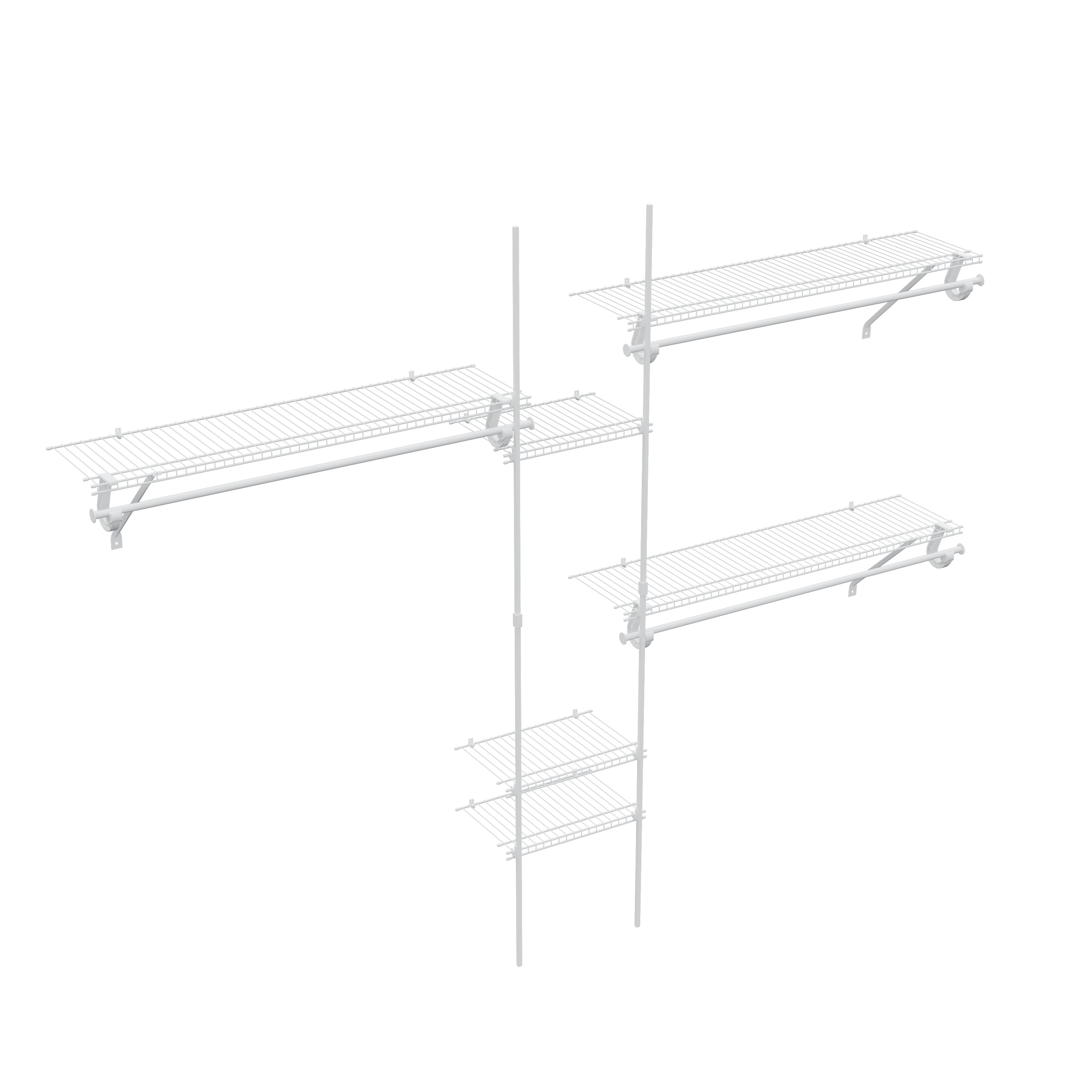
Many existing closets make limited use of vertical real-estate directly beneath hanging rods. Most home-wardrobe set-ups concentrate storage on floor-level piles and fixed side-mounted shelves, leaving valuable vertical space between hanging garments largely idle. This under-utilization creates a common pain-point: sufficient overall closet square footage, yet insufficient dedicated spots for smaller-scale belongings such as scarves, belts, accessories and folded lightweight garments. A hanging closet organizer addresses exactly this gap. Suspended directly from pre-existing hanging rods, these units tap unused vertical volume without requiring wall drilling or permanent-fixture remodelling. Its core purpose centers on partitioning otherwise-wasted space into multiple dedicated holding zones for small-to-medium-size articles. Such units complement existing wardrobe infrastructure rather than replacing it, adding extra organizational capacity within already-established closet boundaries.
Complementary Storage That Works Alongside Main Wardrobe Hardware
|
Storage Type |
Main Wardrobe Hardware |
Hanging Closet Organizer |
|
Target stored goods |
Bulky items: coats, suits, large linen stacks |
Light weight items: accessories, small folded garments |
|
Installation Mode |
Wall mounted fixed installation |
Hang on existing hanging rods; no drilling |
|
Core Function |
Store large volume heavy belongings |
Split idle vertical space into pockets, compartments or mesh layers |
It is important to view a hanging closet organizer as supplementary storage hardware rather than a full-scale wardrobe replacement. Standard closets rely on wall-fixed shelving, cabinet bodies and heavy-duty hanging bars for bulk-item storage: coats, suits, large-volume linen stacks. A hanging closet organizer serves a different set of use cases. It breaks down large continuous vertical voids into stacked pockets, open compartments or mesh-shelving layers built to hold comparatively lightweight items. Fabric-based and wire-constructed hanging-organizer variants exist on the market. Wire-style hanging closet organizer options share material advantages with other wire-storage hardware: open-structure air circulation helps keep contained textiles from sitting within stagnant humid micro-zones. Instead of re-engineering an entire closet layout, households can add hanging-organizer units to handle accessory-heavy storage requirements.
Bringing Frequently-Accessed Small-Volume Items Within Easy Reach
One practical purpose of a hanging closet organizer relates to access convenience for frequently-used small-sized belongings. Inside conventional closets, scarves, ties, jewellery pouches and small leather goods often land in deep shelf corners or mixed-together drawer spaces. Locating one specific piece means sorting through piles of unrelated items. Hanging closet organizer compartments position these frequently-retrieved goods at eye-level or hand-reach height alongside hanging clothing. Everything stays visible and separated, cutting down time spent sifting through mixed-item collections. This function proves useful for households with diverse accessory collections, and also for guest-room closets where assorted small-sized guest supplies require neatly-partitioned temporary holding spots. It does not fundamentally rewrite closet structure; it refines usability for frequently-handled small-format goods.
Supporting Dynamic Shifts in Household-Storage Requirements
Household-storage requirements change through calendar cycles. Seasonal-wardrobe rotation, shifts in personal-accessory collections, and short-term guest-household arrangements all alter what users need to store within closet space. A hanging closet organizer delivers re-deployable storage capacity that can be moved, added or removed according to shifting needs. During heavy-accessory seasons, multiple hanging-organizer units can hang alongside main-wardrobe rods. When those storage demands subside, units can be taken down and stored flat elsewhere without leaving behind wall-mount damage. This mobility-focused purpose distinguishes hanging-organizer hardware from permanently-installed built-in closet components. It supplies flexible incremental storage that scales up or down following real-time household-storage demands.
Production Expertise and Global Supply Capability for Hanging-Storage Hardware
Hebei Minmetals pays special attention to load-bearing joint development for hanging-style storage hardware. - Run targeted fatigue testing for connection points under continuous downward tension - Fine-tune material thickness and welding parameters exclusively for suspended-mode usage - Every finished unit undergoes tension inspection before shipment to verify load performance
Hanging-type components face continuous downward tension in real-world usage, so the factory runs targeted fatigue testing on connection points. Material thickness and welding parameters are fine-tuned exclusively for suspended-mode application. Every finished hanging-storage unit goes through tension check before leaving production lines, confirming structural performance under intended working loads.
Table of Contents
- Making Under-Utilized Closet Volume Work for Household Needs
- Complementary Storage That Works Alongside Main Wardrobe Hardware
- Bringing Frequently-Accessed Small-Volume Items Within Easy Reach
- Supporting Dynamic Shifts in Household-Storage Requirements
- Production Expertise and Global Supply Capability for Hanging-Storage Hardware