
 EN
EN
The Thinking Trap of Residential Storage
For many homeowners, the challenge of home organization is often perceived as a struggle against the physical limitations of a room. Standardized, builder-grade storage options frequently fail because they are designed as static, inflexible containers that ignore the fluid nature of modern life. When a closet is treated as a simple box rather than a high-performance utility zone, it inevitably becomes a source of environmental clutter. Modular closet systems offer a paradigm shift, moving away from rigid, fixed layouts toward a fluid, responsive infrastructure that adapts to the specific volumetric demands of a household.
Spatial Granularity and Vertical Engineering
The primary secret to effective space maximization lies in the intelligent use of vertical height, which is often neglected in traditional closet setups. A modular system excels by providing adjustable shelving, tiered hanging zones, and stackable storage components that climb the walls rather than merely occupying valuable floor area. This vertical strategy is not about stacking items haphazardly; it is about creating distinct strata for different categories of goods. By elevating storage toward the ceiling, homeowners unlock vast amounts of previously wasted air space. This approach resolves the common bottleneck of disorganized floor space, ensuring that even the most compact room feels airy, accessible, and thoroughly organized. Achieving this level of precision requires a deep understanding of human ergonomics, placing essentials within the primary reach zone while relegating secondary items to the upper limits of the vertical stack.
Material Load Mechanics and Structural Integrity
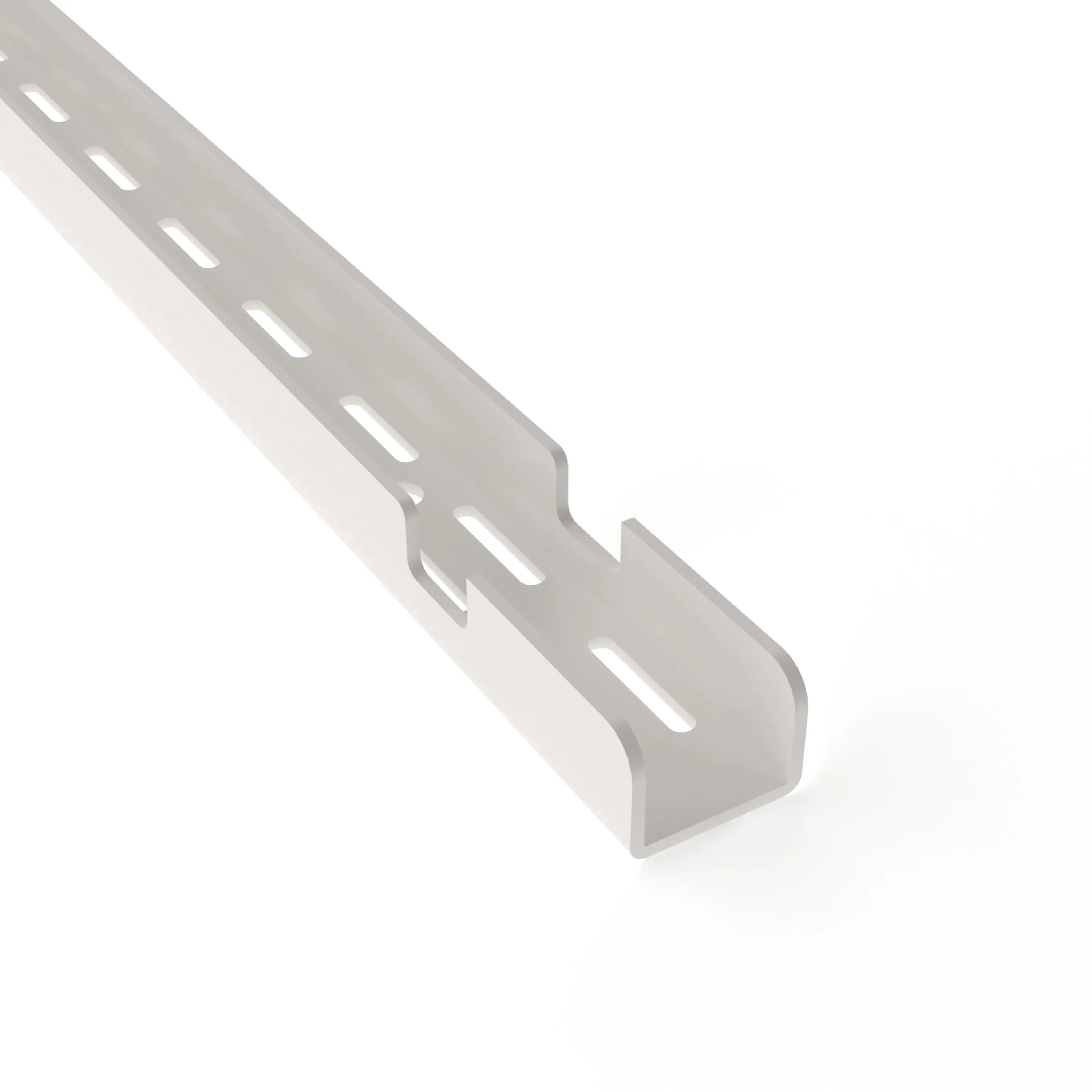
What truly separates professional-grade closet systems from conventional, mass-produced shelving is the inherent versatility of their modular components and the structural science behind them. Instead of relying on a single, fixed rod, modular designs incorporate interchangeable elements—such as reinforced hanging rails and adjustable shelf partitions—that can be repositioned based on specific storage volumes. From an engineering perspective, this requires precise manufacturing tolerances. High-quality systems are constructed from reinforced materials designed to maintain their shape and stability under heavy, consistent loads. While budget-oriented solutions often buckle or sag after brief periods of use, a properly engineered modular system remains stable. This level of technical excellence ensures that the storage unit remains visually uniform, regardless of the weight distribution or the complexity of the internal configuration. The prevention of mechanical fatigue is the cornerstone of a successful storage system, ensuring that structural joints remain tight and shelves stay perfectly level over years of intensive usage.
The Aesthetics of Visual Clarity
Maximizing space is not synonymous with crowding items together; rather, it is about creating an environment where every object has a logical, defined place. Modular systems contribute to this by enforcing visual and physical boundaries. When storage components are engineered with clean, architectural lines, the entire room feels more expansive. The integration of consistent hardware and materials across the modular assembly helps reduce the "background noise" of visual clutter, which is a common stressor in unorganized homes. By streamlining the storage area with a cohesive design, the overall bedroom or dressing room gains a sense of visual openness, making the physical space feel larger and more serene. When the internal storage mirrors the quality of the external furniture, the home feels cohesive and meticulously curated.
The Technical Superiority of Modular Architectures
What sets professional-grade closet systems apart from conventional, builder-grade shelving is the inherent versatility of their modular components. Instead of relying on a single, fixed rod, modular designs incorporate interchangeable elements—such as sliding trays, hanging rails, and adjustable shelf partitions—that can be repositioned based on specific storage volumes. From an engineering standpoint, this requires precise manufacturing tolerances. High-quality systems are constructed from reinforced materials designed to maintain their shape and stability under heavy, consistent loads. While budget-oriented solutions often buckle or sag after brief periods of use, a properly engineered modular system remains as functional as the day it was installed. This level of technical excellence ensures that the storage unit remains stable and visually uniform, regardless of the weight distribution or the complexity of the internal configuration.
The Strategic Value of Engineered Interiors
Investing in high-standard, modular infrastructure is a strategic decision that transcends simple home improvement. There is an enduring myth that budget-friendly, temporary storage solutions provide better value. However, a lifecycle analysis of home storage indicates that frequent replacements, repairs, and constant reorganizing are far more costly in the long run. Professional systems act as a permanent infrastructure upgrade, akin to upgrading kitchen cabinetry or professional-grade flooring. Potential buyers perceive these integrated, high-functioning storage solutions as markers of a well-maintained, high-value property. Beyond the immediate market appeal, these systems offer enduring economic value by reducing the wear and tear on personal items. When garments are properly spaced and stored on appropriate, well-engineered racks, they retain their quality longer. This dual benefit—protecting personal assets while enhancing the property’s overall appraisal value—makes professional organization a sound, data-driven financial decision for any forward-thinking property owner.